

HERITAGE RESTORATION Sydney
Heritage restoration and heritage renovations in Sydney for homes and commercial buildings across the North Shore, Inner West, Eastern Suburbs and Sydney City.
Heritage restoration, thoughtfully brought back to life
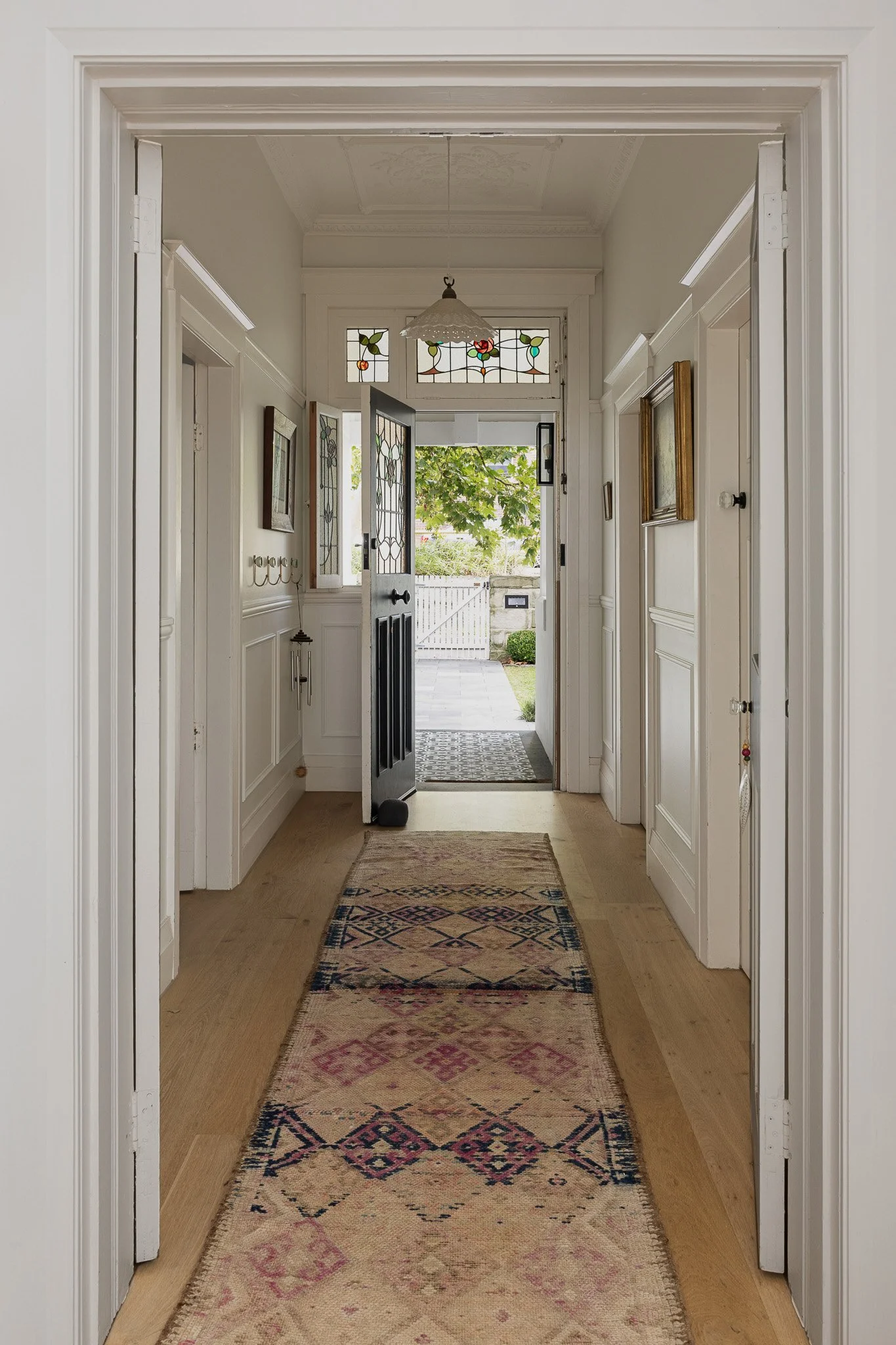
Opulent Finishes delivers heritage restoration in Sydney for homes and commercial buildings where character matters. As heritage restoration builders, we specialise in heritage home renovations and heritage building restoration that protects original detailing, proportions, and finishes that feel true to the era. We also work on period-era homes that aren’t heritage listed, bringing back lost character and upgrading the way the home functions without compromising what makes it special.
From cornices and ceiling roses to timber detailing and wainscoting wall finishes, our work is designed to look cohesive, not patched. Restoration is as much about restraint as it is about repair, and we plan every step accordingly. Servicing the North Shore, Inner West, Eastern Suburbs and Sydney City.





What does heritage restoration include?
Heritage projects are never one-size-fits-all, because no two homes have been lived in, repaired, or altered in the same way. What stays consistent is the standard. Protect what matters, improve what needs to work better, and make sure every change looks intentional. We tailor the scope to the building, the era, and what you want to preserve, repair, or upgrade, so the finished home feels settled, complete, and true to its character.
Across the Upper and Lower North Shore, Inner West, Eastern Suburbs and Sydney City, heritage restoration with Opulent Finishes can include:
- Heritage building restoration works and targeted reinstatement
- Heritage home renovations that suit the era and proportions
- Repairs to original features and detailing
- Reinstating missing or damaged period details
- Timber detailing repairs and replacement
- Interior upgrades that respect existing character and transitions
- Coordinating specialist trades when needed
- Brickwork repairs and repointing
- Roofing and drainage repairs and restoration coordination

A clear process, built for heritage restoration
Heritage work is won or lost in the day-to-day. We protect what’s staying, keep the site tidy, and coordinate access, noise and sequencing to minimise disruption. You get clear updates (often with photos), decisions are documented early, and scope changes are raised before they touch budget or timeline. That’s how the home stays respected, and the final result reads as one considered whole.
1. Site visit and vision alignment
We walk through the property with you, understand what you want to preserve, what you want to change, and what “true to the home” means for your project.
2. Condition review and early risk flags
We look for the areas that typically affect heritage projects, such as hidden damage, uneven substrates, ageing timbers, and past repairs, and we flag what may influence scope, timing, or cost.
3. Scope and inclusions
You receive a clear scope outlining what’s included, what’s excluded, and what needs confirmation before final decisions are made. No vague allowances disguised as certainty.

4. Planning, staging and protection
We plan how the site will run day-to-day, including protection of existing areas, access, dust control, sequencing, and how to minimise disruption, especially if you are living or operating on site.
5. Delivery and Quality Checks
We deliver the works with ongoing checks so repaired, reinstated, and new elements sit seamlessly together. Details matter in heritage work, so we treat them like the main event.
6. Transparent decisions if anything changes
If we uncover unexpected conditions, we document options clearly and keep you informed before proceeding, so decisions stay considered and controlled.
7. Handover and care guidance
At handover, we walk the finished work with you, confirm details, and share any care considerations so your restored features stay looking their best.

Heritage “restoration” vs “renovation”:
What’s the difference?
Most heritage projects sit somewhere between restoration and renovation. The difference matters because it changes what you preserve, what you upgrade, and how you plan the work.
Restoration brings original elements back to a sound, beautiful state. This often includes repairing and reinstating period features so they feel true to the home.
Renovation improves how the space works today. This can include layout changes, finish upgrades, and modern improvements that still respect the building’s character.
In practice, the best outcome is usually a blend. Restore what makes the building special, renovate what needs to function better, and make sure the transition looks seamless.
Period home renovations, with character reinstated
Not every period home is heritage listed, and we work on both. We deliver period home renovations across Sydney’s Upper and Lower North Shore, Inner West, Eastern Suburbs and Sydney City, with reinstatement handled in a way that suits the era. Many period-era homes aren’t heritage listed, but they still have original proportions, joinery, and detailing worth protecting, even if the home has been altered over time. Our approach is to improve how the home works today while reinstating the features that give it its charm, whether that’s repairing original elements, replacing damaged timber detailing, or reintroducing missing trims and profiles so the home feels consistent again.

A heritage restoration is a conversation with the past. And if you don’t listen properly, you end up with a home that feels like a series of “add-ons”… not one beautiful story.

Heritage considerations that shape the scope
In many heritage homes and buildings, some elements are typically retained, especially street-facing features and key character details. Common examples can include:
- Façades and front elevations
- Verandahs and rooflines
- Original windows, doors, trims (such as wainscoting, board and batten or tongue and groove), and significant details
- Staircases and balustrades
Final requirements vary by property and local controls. We can guide you on what is likely to be retained and work with the formal advice from council or your heritage consultant.

What does a heritage restoration cost in Sydney?
In our work across Sydney’s Upper and Lower North Shore, Inner West, Eastern Suburbs and Sydney City, budgets are usually shaped by scope, condition, and how seamlessly new work needs to integrate with what’s original. As a guide, these are the indicative ranges we most often see:
- Targeted works and minor updates from $30,000–$85,000+
- Internal restoration from $120,000+ (often $120,000–$300,000+ depending on size and detail)
- Major structural works / extensions with heritage compliance commonly from $500,000–$850,000+
Older buildings do not always show everything upfront. That’s why we allow for a contingency, so if something unexpected appears once work begins, it’s handled calmly rather than becoming a surprise. As a guide, we typically allow around 15% on heritage projects, depending on scope.

What shapes the budget in a heritage restoration?
- What’s uncovered once areas are opened up (past repairs, hidden damage, ageing structure and services)
- How much original detailing can be repaired versus needing to be reinstated
- Detail matching for a cohesive finish, including profiles, finishes, and transitions
- Access, protection, and staging, especially in occupied homes or active commercial sites
- Extent of change: focused restoration versus broader renovation works
- Lead times for specialist materials and trades
- Coordination with design and heritage inputs that can affect sequencing and timing
- The underlying structure and surfaces (older buildings can vary a lot)

Heritage restoration FAQs
Getting Started
-
Send your suburb, a few photos, and a short description of what you want to restore and what you want to change. From there, we can arrange a site visit and guide you through scope, timing, and the next steps.
-
A few photos, your suburb, and a short note on what you want to restore versus change is a great start. If you have plans, inspiration images, or any heritage notes from council or a consultant, include those too, it helps us scope accurately and move faster.
-
Yes. A site visit allows us to understand the building’s condition, the level of detail, and what you want to preserve versus upgrade. From there we can outline a preliminary scope and guide you on realistic next steps before you make bigger decisions.
-
We service Sydney with a strong focus on the Lower And Upper North Shore, , Inner West, Eastern Suburbs and Sydney City. If you’re nearby and unsure, send your suburb and we’ll confirm availability for a site visit.
Heritage rules and eligibility
-
In Sydney, a home may be heritage-listed individually, located within a heritage conservation area, or subject to heritage controls through the local environmental plan. A quick first step is to check your local council’s heritage register and property planning maps using your address. If you’re unsure, send us your suburb and a few photos and we can help you understand what’s likely to be retained before you speak with council or a heritage consultant.
-
Sometimes, yes. It depends on whether the property is heritage-listed, in a heritage conservation area, and what you are changing. We can help you understand the likely pathway early, but formal advice should come from council or your heritage consultant.
-
A heritage-listed home is individually recognised for its heritage significance and has specific controls attached to that property. A heritage conservation area applies controls to a wider streetscape or neighbourhood to protect its overall character. Requirements vary, so council guidance or a heritage consultant can confirm what applies to your address.
-
It depends on the property and local controls, but street-facing elements and key character details are often the most sensitive. This can include façades, verandahs, rooflines, windows, doors, trims, and significant internal features. We’ll help you understand what is likely to be retained early, then follow formal guidance from council or your heritage consultant.
-
Yes. We work on heritage-listed properties and homes in heritage conservation areas, and we plan the scope around what is likely to be retained. Where approvals or heritage advice are needed, we can coordinate with your architect or heritage consultant to keep the process clear and compliant.
-
Yes. We regularly restore and renovate period homes that are not heritage-listed. Many homes still have original character worth protecting, even without formal heritage status, and our approach stays the same. Respect what’s staying, correct what has shifted over time, and integrate new work so it feels like it belongs.
-
A heritage-listed home is subject to formal controls and approvals, depending on the listing type and location. A period home may not be listed, but it can still have era-specific proportions, detailing, and materials that deserve a thoughtful approach. We can advise on what your home needs and what approvals may apply.
Our capability and approach
-
Heritage restoration is the repair and reinstatement of original building elements to preserve character and integrity. It focuses on retaining existing materials and period details wherever possible, so the finished result feels true to the era.
-
Heritage restoration conserves and repairs original elements. Heritage renovation improves function, layout, and finishes for modern use while respecting the building’s character. Most projects combine both. Restore what gives the home its identity, and renovate what needs to work better day-to-day.
-
Yes. Detail matching is a core part of quality heritage work. We assess existing profiles and proportions, then plan transitions so new work integrates seamlessly with original features rather than looking “added on.”
-
Yes. The key is knowing what to preserve and how to integrate upgrades so they sit quietly within the architecture. We plan the build so original features remain the hero and the final finish feels cohesive.
-
Yes, we can take on partial heritage restoration works as well as broader renovations. This might include targeted repairs, reinstatement of missing details, or restoring key areas where character matters most. The right approach depends on the building and how you want the finished result to feel.
-
Yes. Many heritage projects run best with a coordinated team. It also helps to have a builder involved early, during the preconstruction phase, so scope and buildability are checked while decisions are still flexible and your budget is protected, rather than drifting into avoidable variations later. We can work with your architect or heritage consultant to align scope, sequencing, and detail decisions so the final result feels cohesive and true to the building.
-
Yes. Our work is primarily residential, and we also take on select commercial heritage restoration and renovation projects where careful planning, site management, and a respectful finish are essential.
-
Sometimes, depending on the scope and access requirements. We can stage works to minimise disruption and plan protection and sequencing carefully so the site remains safe and operational where possible. We’ll confirm feasibility after an initial walkthrough.
Cost, timing and living through works
-
Cost is usually driven by condition, how much can be repaired versus reinstated, the complexity of matching existing details, and access and protection requirements. Unknown conditions can also affect cost once works begin, which is why careful scoping and staged decisions matter.
-
Older buildings often reveal more once works begin. We reduce risk through careful scoping, sensible contingencies, and clear documentation if unexpected conditions are uncovered. The goal is calm decisions and transparency, not surprises.
-
Timeframes vary by scope, access, approvals, and what is uncovered once works begin. After a site visit, we can give a clearer guide based on the building’s condition and the level of restoration required.
-
Sometimes. It depends on the scope and which areas are being worked on. We can discuss staging to reduce disruption, but for major works (especially kitchens, bathrooms, or structural repairs) it’s often more comfortable to relocate for part of the build.
-
We plan protection and staging upfront, especially in lived-in homes or active sites. That includes access planning, dust control, surface protection, and sequencing so original details are not damaged during the build. The goal is a controlled site and a clean, respectful finish.
-
Yes. We hold the appropriate licensing and insurances for the building works we undertake. If you need specific details for a tender or project file, we can provide them on request.
Wainscoting FAQs
-
Yes. In many heritage homes, wainscoting is either an original feature to restore, or a sympathetic addition that helps reinstate proportion and period character. We often install wainscoting as part of a broader heritage home restoration, making sure it suits the era, aligns with existing detailing, and feels like it belongs rather than looking added on.
-
It depends on the era and the home’s existing proportions. Common heritage-appropriate options include traditional raised panels, VJ (tongue and groove), board and batten, and framed wall panelling. The goal is not to copy a trend, it’s to choose a profile and layout that matches the home’s bones and existing detail.
-
Both. If the home has original wall panelling, board and batten, tongue and groove or wainscoting, we can repair, reinstate, and integrate new sections where required so the finish reads as one cohesive whole. If it has been removed over time, we can design and install new wainscoting that respects the home’s character.
-
It comes down to proportion, profile selection, junctions with skirtings and architraves, and how the wall is prepared so everything sits correctly. We also consider transitions between rooms so the detailing feels consistent, not like a feature added in one space only.
-
Often, yes, but it depends on the condition of the wall. In heritage homes, part of the job is correcting what has moved over time. We assess the substrate and recommend the right prep so the finished result is clean and stable, not masking underlying issues.